10 Small Living Room Decor Ideas That Feel Bigger
A small living room can still feel open, calm, and welcoming. The secret is not to buy more furniture or knock down walls. It is to make thoughtful choices about light, scale, colour, and storage. When every item earns its place, even a compact room can feel generous and easy to live in.
These ten ideas work in real homes and rented flats. You do not need a large budget, and you do not need to replace everything at once. Start with one or two changes, live with them for a week, and then decide what to try next.
1. Let the light do the work
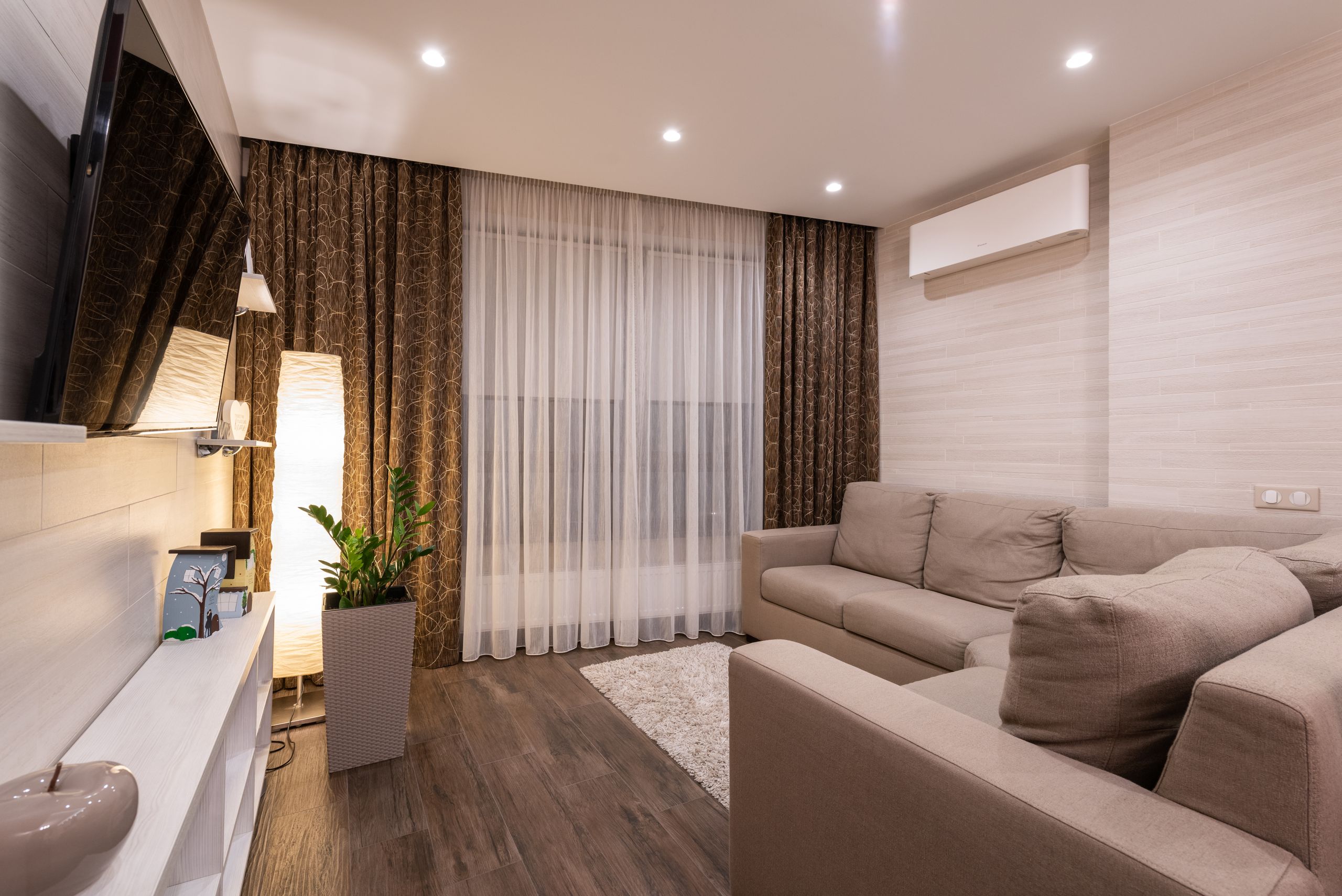
Natural light makes a room feel larger almost instantly. Keep window areas clear, choose sheer curtains or simple blinds, and avoid tall furniture in front of windows. In the evening, use several soft light sources, such as a floor lamp and a small table lamp, instead of one harsh ceiling light.
2. Choose furniture with visible legs
Furniture that sits flat on the floor can look heavy and block the eye. Sofas, chairs, and cabinets with slim, visible legs let you see more floor beneath them, which helps a room feel lighter. This trick works especially well where every centimetre of visible floor matters.
3. Keep the largest pieces simple
Your sofa is usually the largest item in the room. Choose one in a calm, neutral colour with clean lines. Save bold patterns and strong colours for cushions, throws, and artwork, which are easy and affordable to change. A simple sofa also gives you more freedom to rearrange later.
4. Use mirrors with care
A well-placed mirror can reflect light and a pleasant view, which makes a room feel deeper. Place a mirror opposite or beside a window, rather than opposite a blank wall. One large mirror usually looks calmer than many small mirrors grouped together.
5. Hang curtains higher and wider
Hanging your curtain rod closer to the ceiling and a little wider than the window makes the window look taller and the wall look broader. Choose curtains that reach the floor, and keep the colour close to the wall colour for a seamless effect.
6. Use a rug to define the seating area
A rug that is too small can make a living room feel scattered. As a guide, the front legs of your sofa and chairs should sit on the rug. A larger rug pulls the seating together and makes the floor look more generous. Choose a low-pile rug in a soft, calm pattern.
7. Go vertical with storage
When floor space is limited, look up. Tall, narrow bookcases, floating shelves, and wall-mounted cabinets use vertical space without crowding the floor. Keep the top shelves for items you use less often, and leave some empty space so the shelves do not feel cramped.
8. Choose furniture that does two jobs
Multifunctional furniture is ideal for small living rooms. Look for a coffee table with storage, a footstool that can hold blankets, or a side table with a shelf. When each piece works harder, you need fewer pieces overall.
9. Keep a calm colour palette
Light, warm neutrals on walls and large furniture make a room feel open. You can still add colour, but try to repeat two or three accent colours rather than introducing many shades. For example, choose soft green cushions, a green plant, and one green print.
10. Edit, then add small touches
Before you buy anything new, remove one or two items that do not serve a purpose. Clear surfaces, tidy cables, and give each object a home. Then add warmth with a plant, a soft throw, and one piece of art that you love.
Quick checklist
- Open curtains fully during the day and use layered lighting at night.
- Choose furniture with visible legs and clean lines.
- Hang curtains high and wide, and choose a rug that fits the seating area.
- Use vertical storage and multifunctional pieces.
- Keep colours calm and repeat accent shades.
- Remove clutter before adding decor.
Frequently asked questions
What is the best colour for a small living room?
Soft, light neutrals such as warm white, pale grey, and gentle beige usually work best, because they reflect light and make walls feel farther apart. Add colour through cushions, art, and plants.
Should I avoid dark furniture in a small living room?
Not necessarily. One dark piece, such as a wooden coffee table or a deep green armchair, can add depth. Keep most large pieces light, and use dark accents sparingly.
How big should a rug be in a small living room?
Choose a rug large enough for the front legs of your sofa and chairs to rest on it. If you are unsure between two sizes, the larger size usually looks better, as long as you still see a border of floor.
How can I make a small living room feel cosy, not empty?
Focus on texture and warmth. Add a soft throw, cushions in different fabrics, a plant, warm lighting, and one or two personal items. A cosy room feels layered and lived in, not bare.
Quick tip: before you buy anything, move what you already own. A calmer arrangement often beats a new purchase – and costs nothing.